
I got a mega dose of 400 year old history in Boston! I have been to Boston before, but I was young, and don’t remember much except for being scared at a witch museum in nearby Salem.
Here’s some information about the history of Boston.
Day 1
We stayed in a little apartment airbnb half a block from Boston Common. After getting settled we walked to Boston Common and found the “Make Way for Ducklings” statue, based on the famous book by the same name.

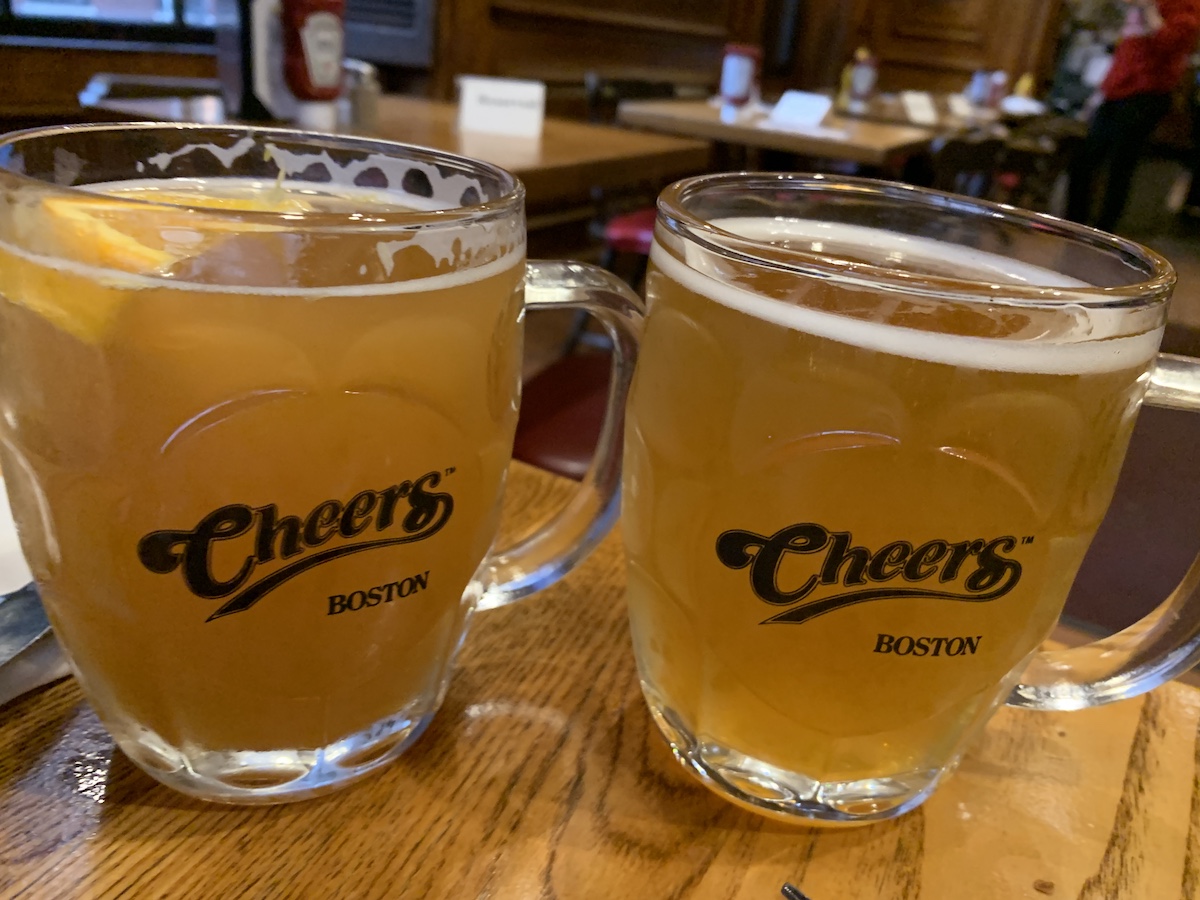
Then off to the Cheers bar for dinner and drinks.
The “Cheers” bar is not the actual bar shown in the popular 80s sitcom “Cheers.” The TV show was based on a bar that was in the basement of the same building as the studio “Cheers” bar. The iconic opening credits actually showed the Bull & Finch bar, located in the same location. Here’s a little history of the Bull and Finch Pub.
Pro tip: Go there for a beer/photo, then somewhere else for food.
We turned in early to rest up for a walk on the Freedom Trail.
Day 2
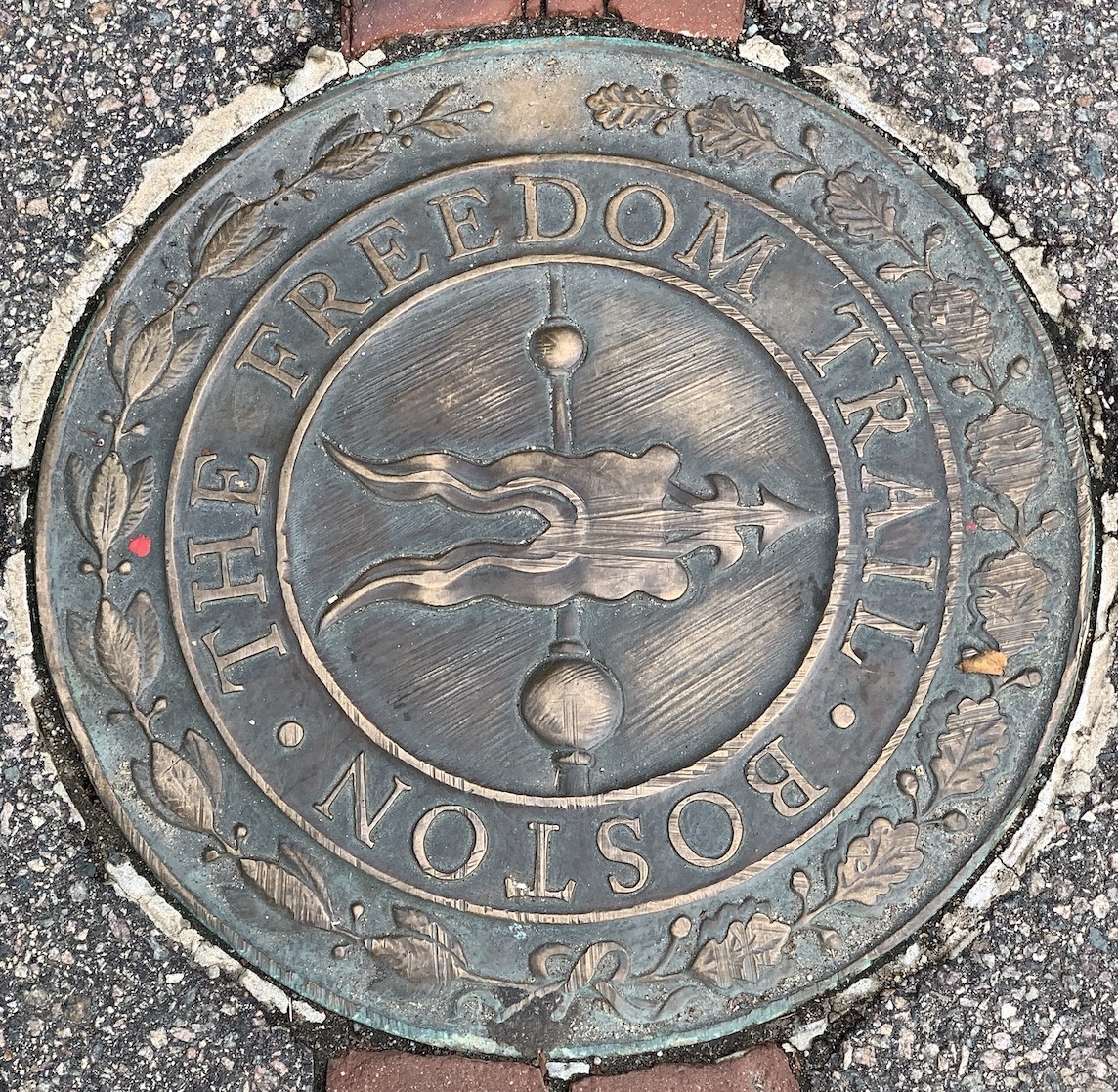
The Freedom Trail is a 2.5 mile walk with 16 historical buildings and landmarks from the 1700s along the way. I wished I would have read about the significance of these landmarks before arriving in Boston.
Our favorites were the Granary Burying Ground, Old State House (also the site of the Boston Massacre), Paul Revere’s House, and the USS Constitution.
While there are several burial grounds on the Freedom Trail, the Granary Burying Ground is the largest and most famous. With decaying, crumbling headstones, Granary looks like a cemetery straight out of a horror movie. Pair that with the unknown number of people buried there (including an “infant’s tomb” where hundreds of babies are interred) and the ornate headstones with skulls and bones, it’s just plain creepy.
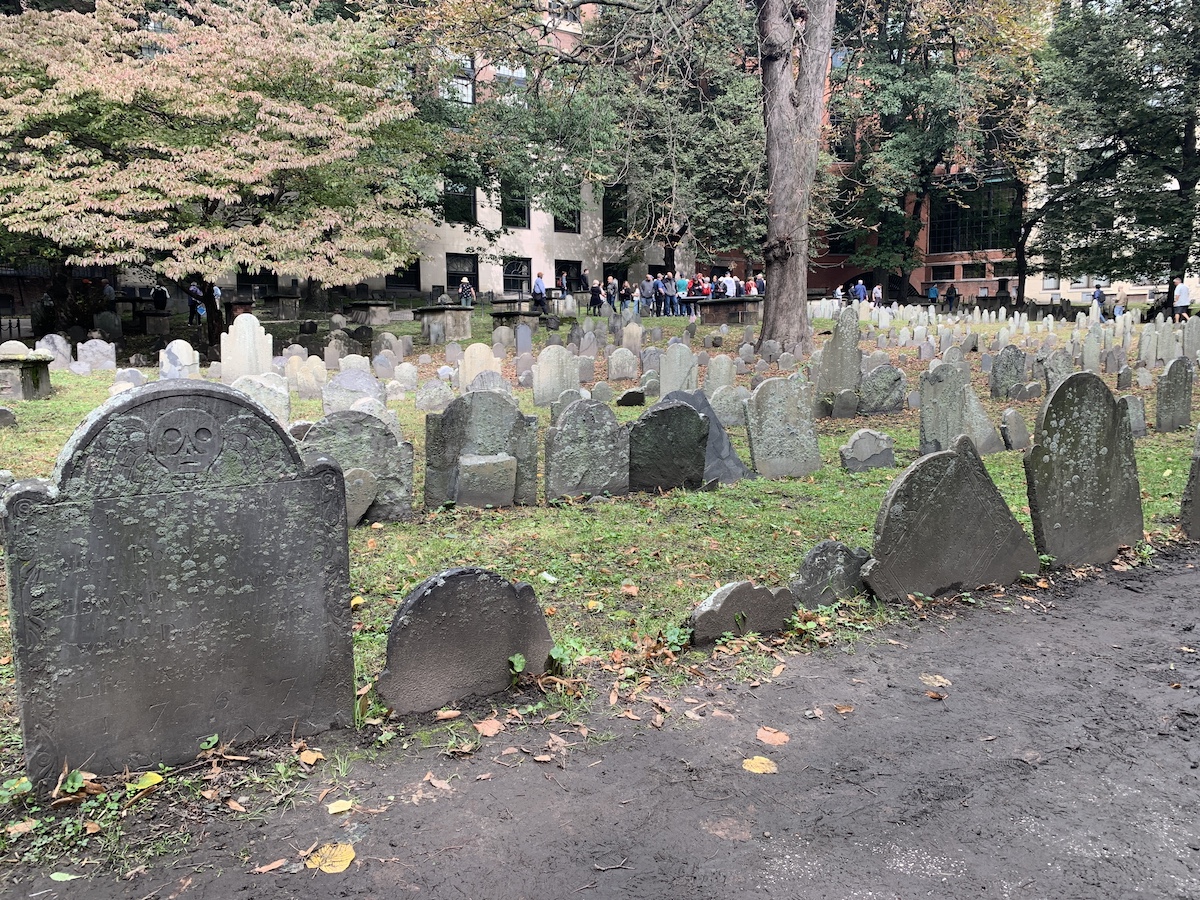
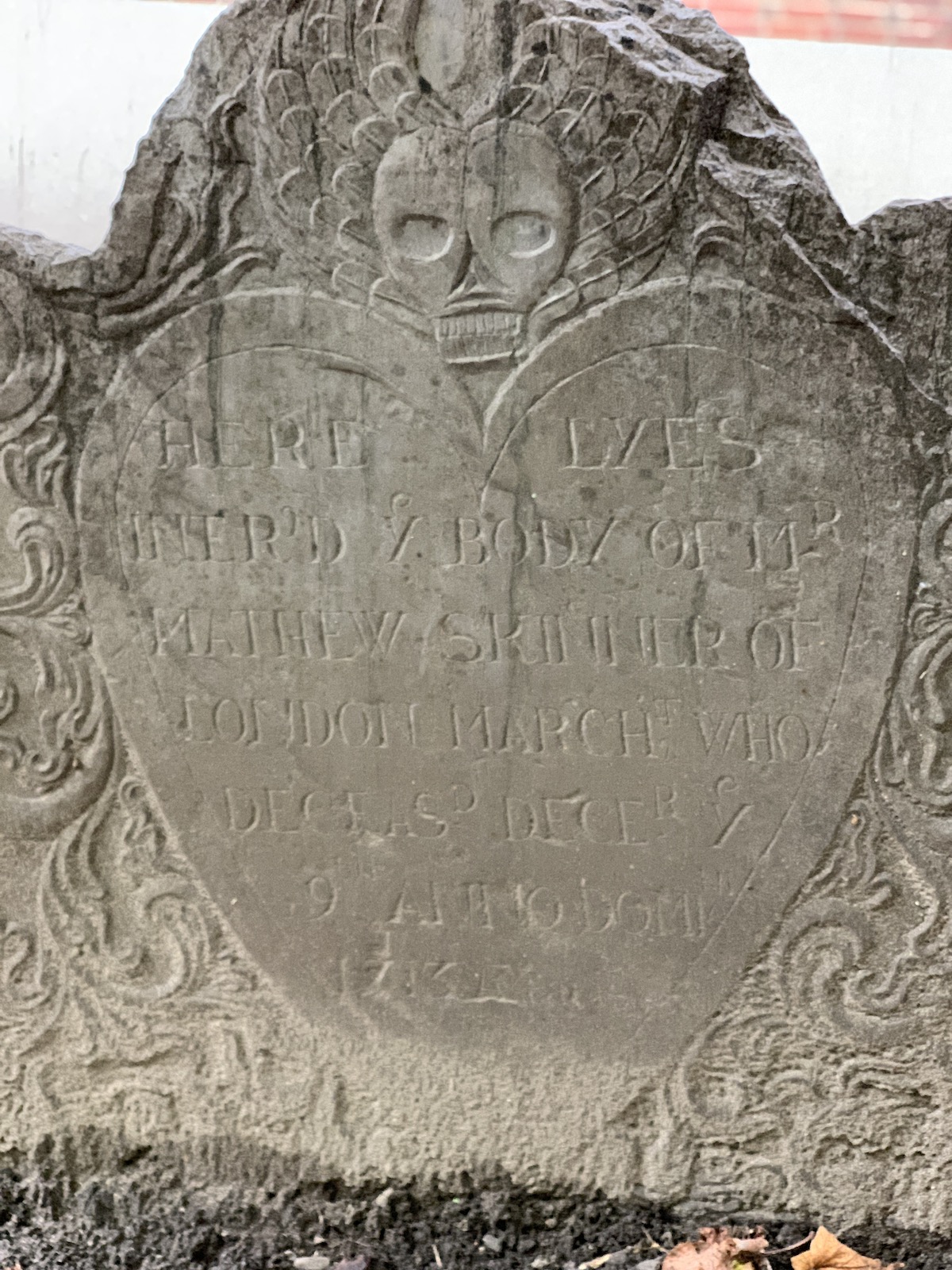

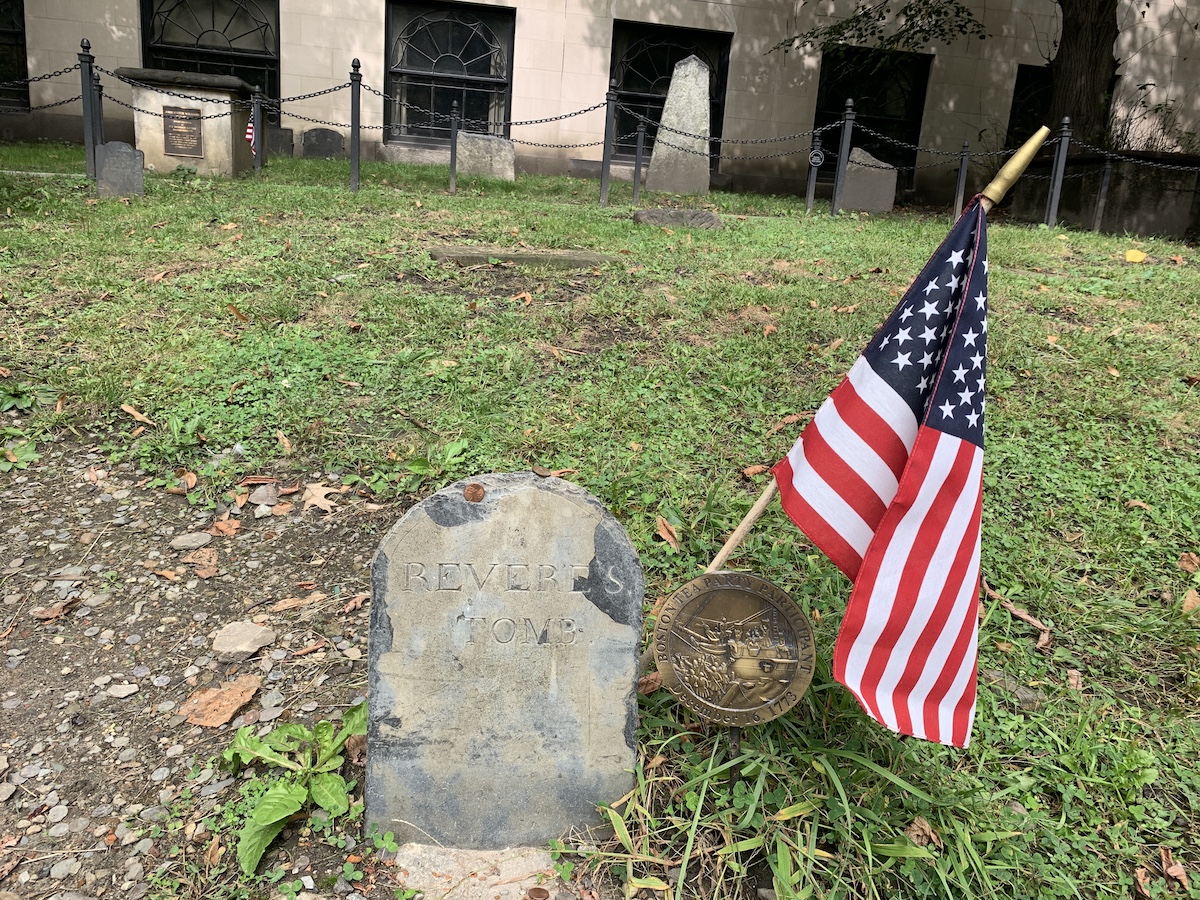
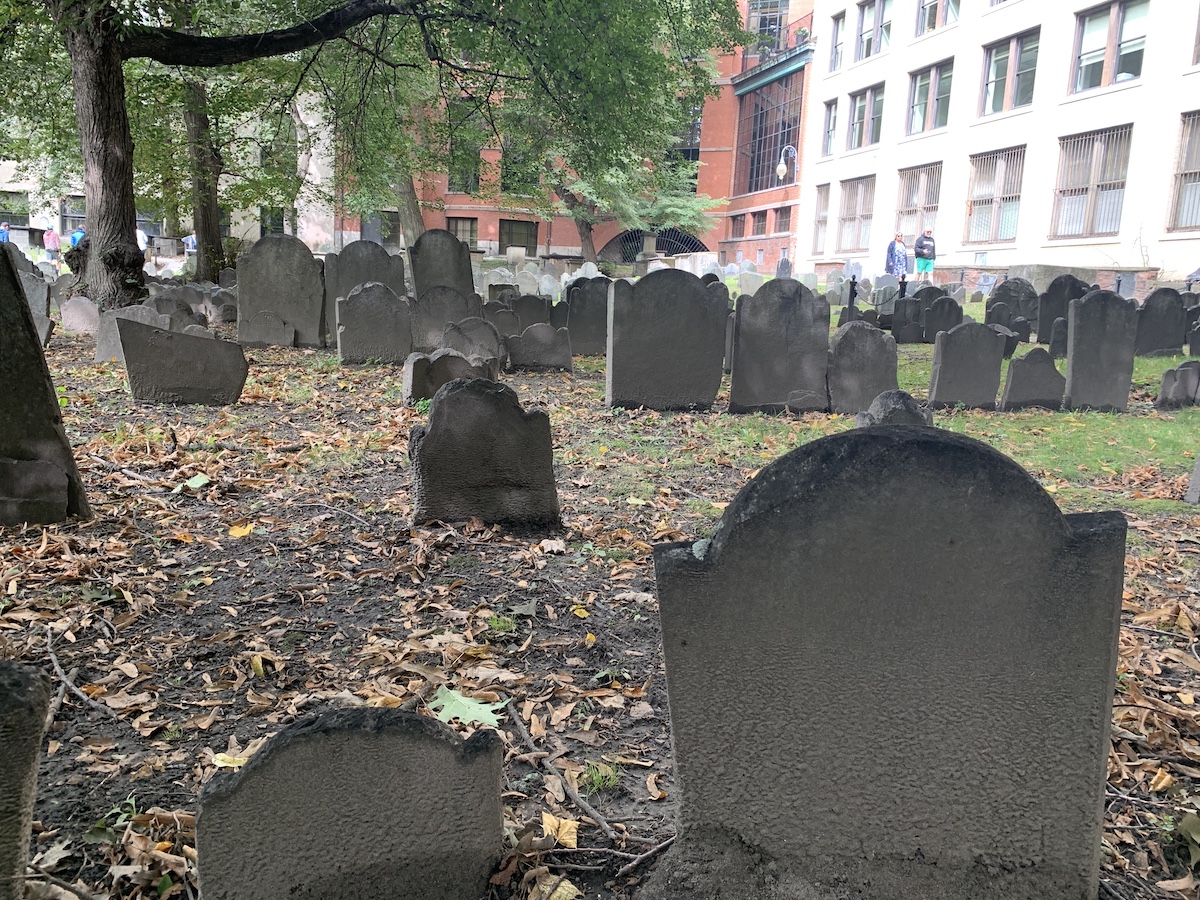
Paul Revere, Samuel Adams and the victims of the Boston Tea Party are among those buried at Granary.
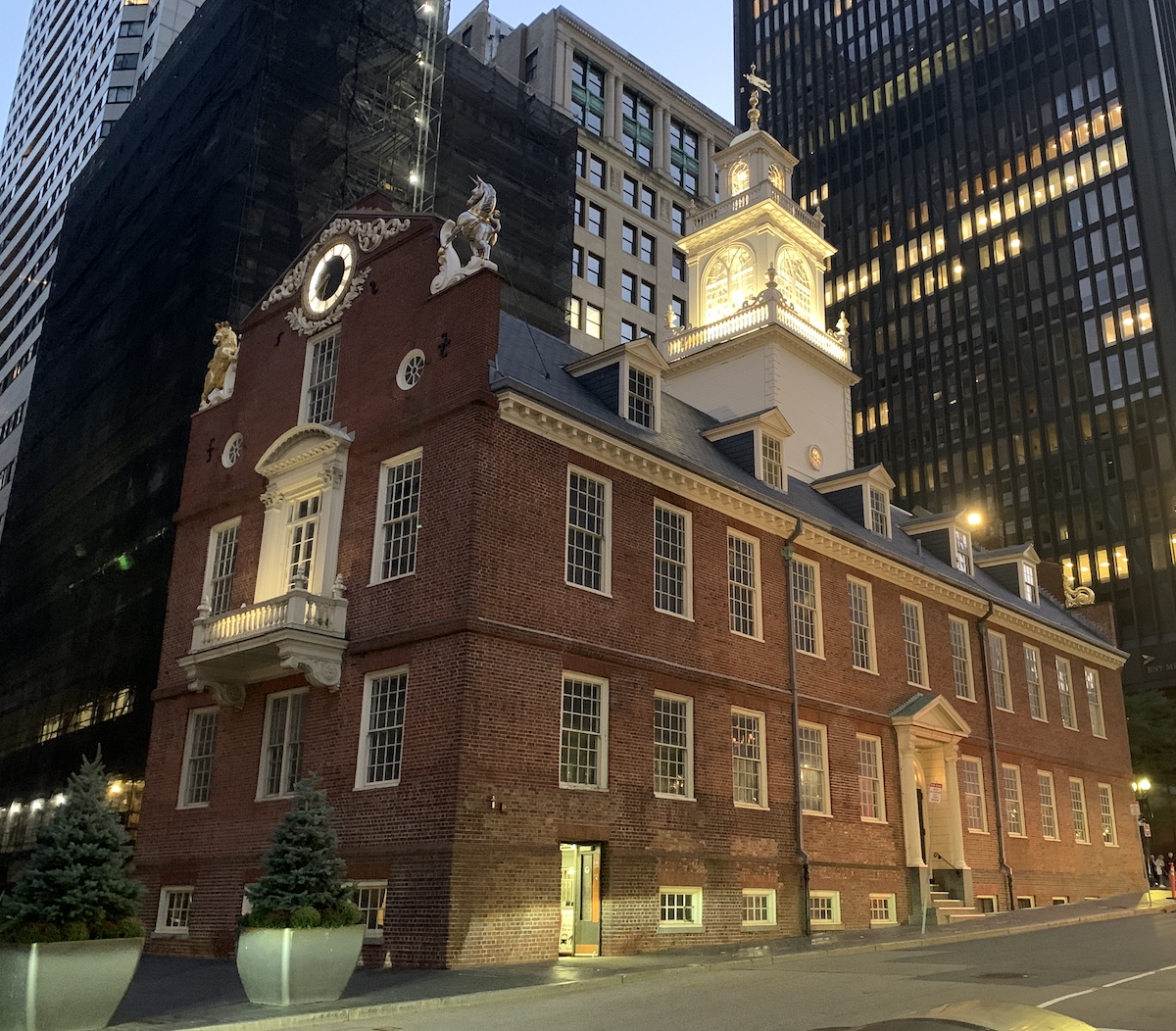
The Old Statehouse and Boston Massacre Site included a lot of historical information about Boston, the Boston Tea Party and the Boston Massacre. It looked a little out of place surrounded by modern buildings. The pic below was taken on our walk back to our airbnb in the evening.
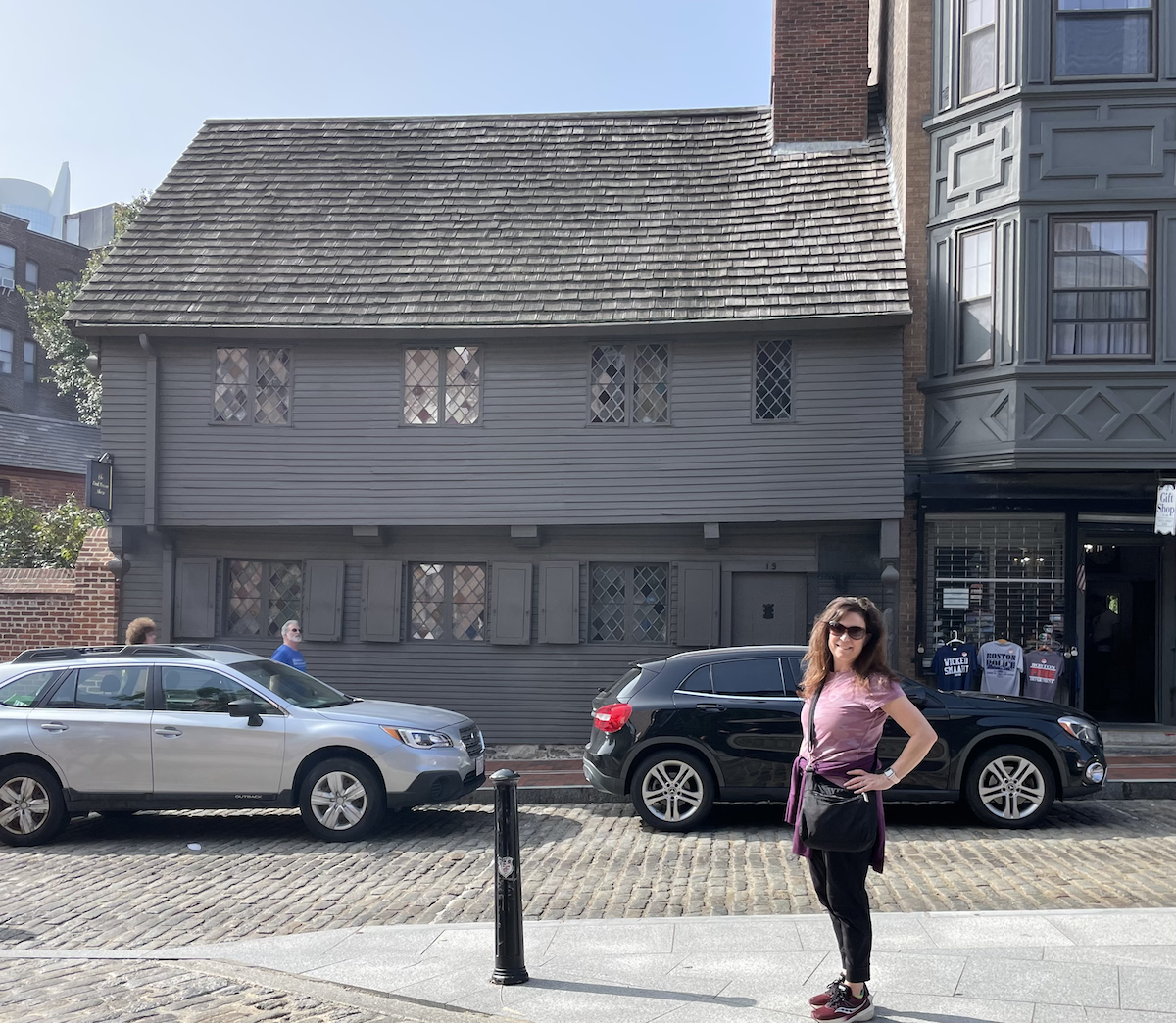
We went inside Paul Revere’s house and learned his interesting story, including his famous midnight ride.
The USS Constitution is the worlds’ oldest commissioned warship afloat. Launched in 1797, she is most known for actions during the War of 1812, and earned the nickname “Old Ironsides” when she seemingly rebounded many British shots and an American sailor reportedly exclaimed “Huzzah! her sides are made of iron!”

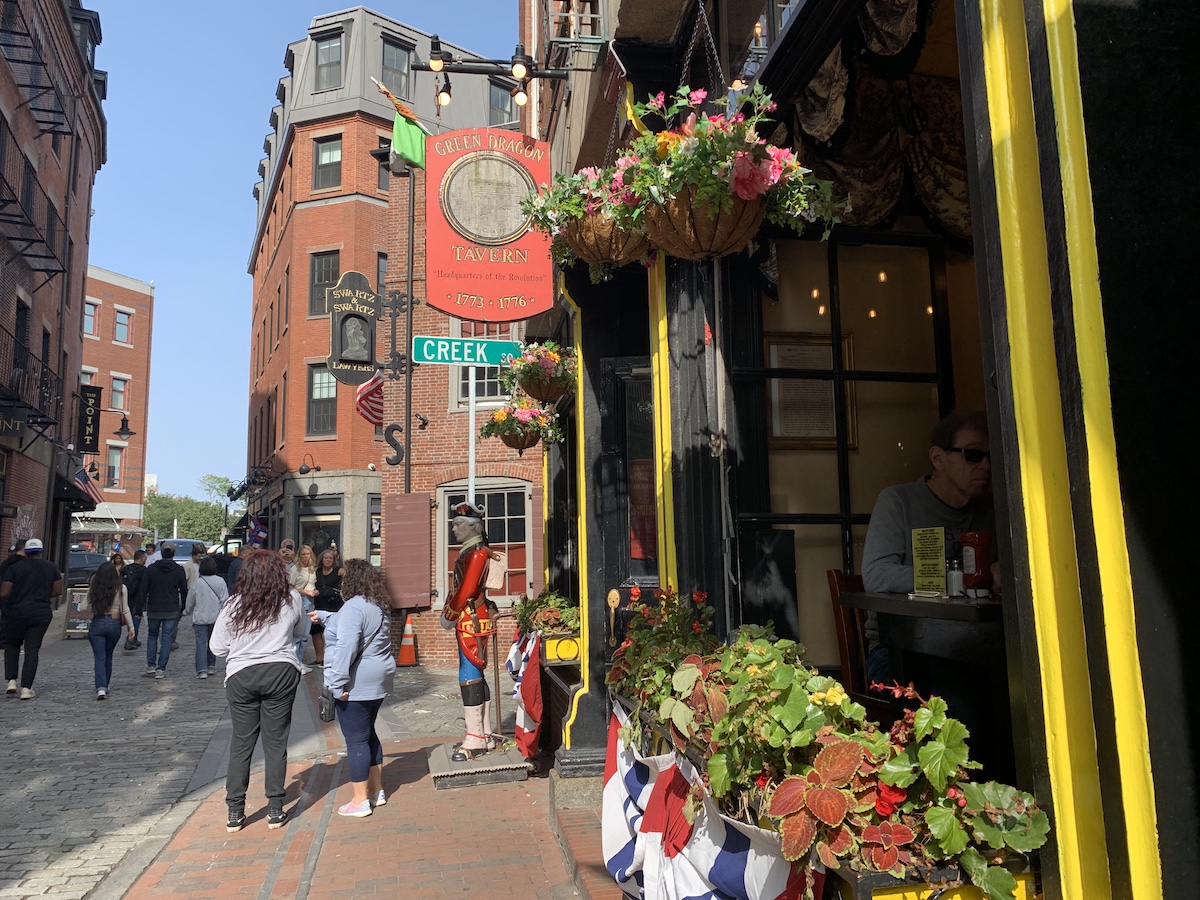
We ate lunch at the Green Dragon Tavern. Opened in 1657, the tavern was the “headquarters of the Revolution” according to Samuel Adams, Paul Revere and Daniel Webster.
Dinner was at the Union Oyster House, the oldest restaurant in America with continuous service – since 1826 – and where the first toothpick was used in the U.S. The structure was built so long ago there are no public records. In 1742 it was a silk and dry good shop, and at that time, the waterfront came right up to its back door. It later served as the publication office of the “The Massachusetts Spy,” long known as the oldest newspaper in the United States.
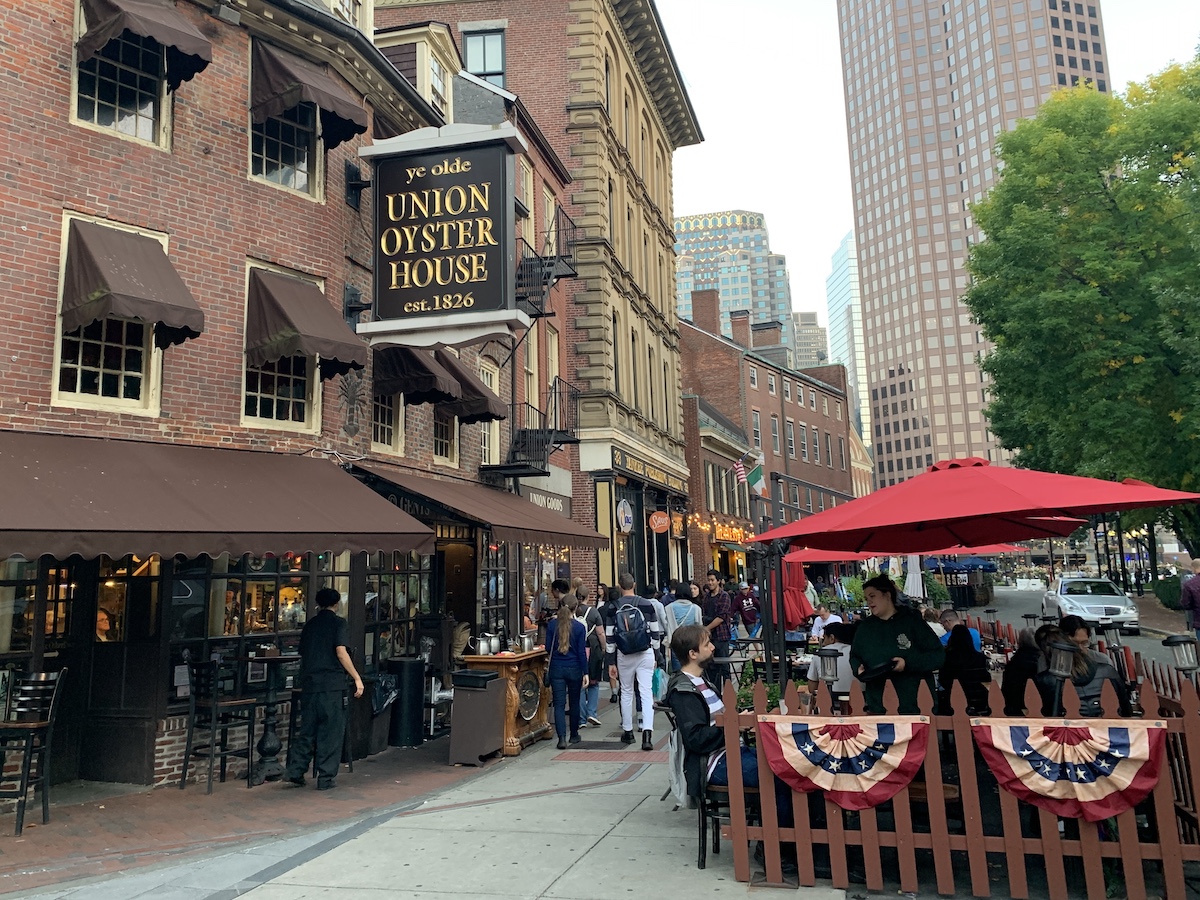
Pro tip: The cornbread is a “must order,” but skip the Boston Tea Party drink.
Both the Green Dragon Tavern and the Union Oyster House are located steps away from each other on Union Street, the location of meeting and command post activity in the late 1700s.
Day 3
We planned to take the ferry to Salem. That quickly changed when the crew announced the water was choppy and if you are prone to motion sickness, you may want to rethink your ride. A quick online search showed an Uber to Salem is 35 minutes and $40. Crisis averted!
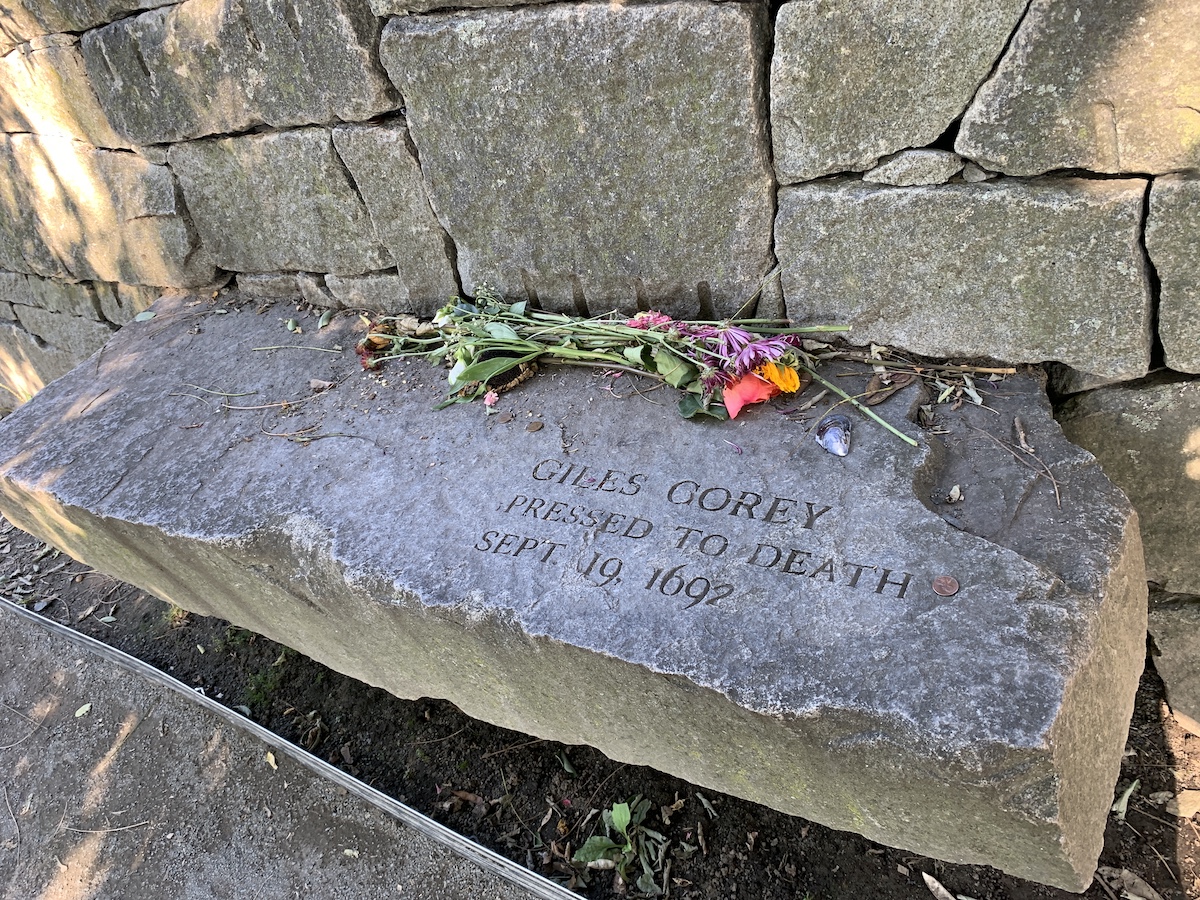
In Salem, we watched a witch trial re-enactment at the Witch Dungeon Museum, which may have been the same museum I visited long ago that scared me. We also walked around the Salem Witch Trials Memorial close by. More creepiness from the 1600s…
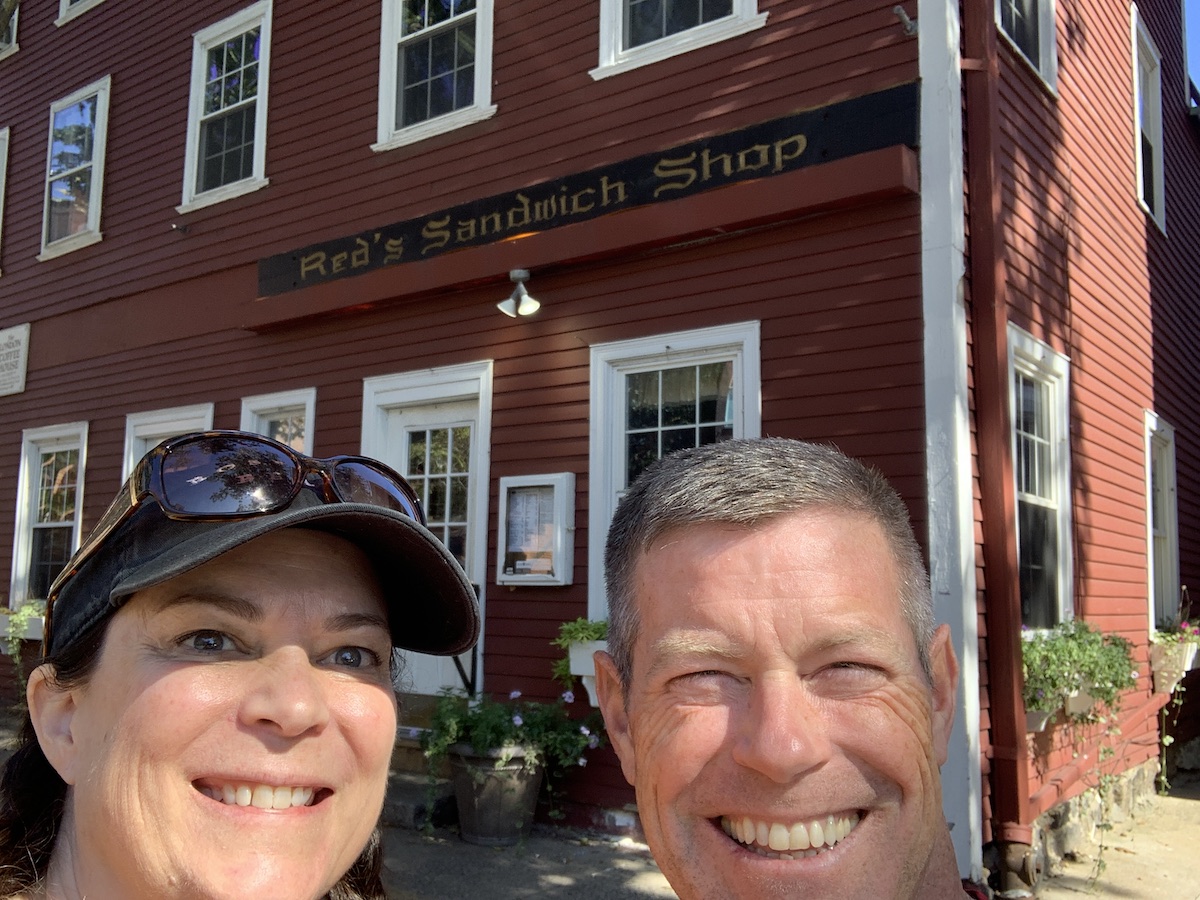
We ate at Red’s Sandwich Shop located in the London coffee shop of 1698. The shop was a meeting place for Patriots during the Revolutionary War.
We walked by the Witch House, an ominous looking house and the the oldest structure with a direct connection to the witch trails.
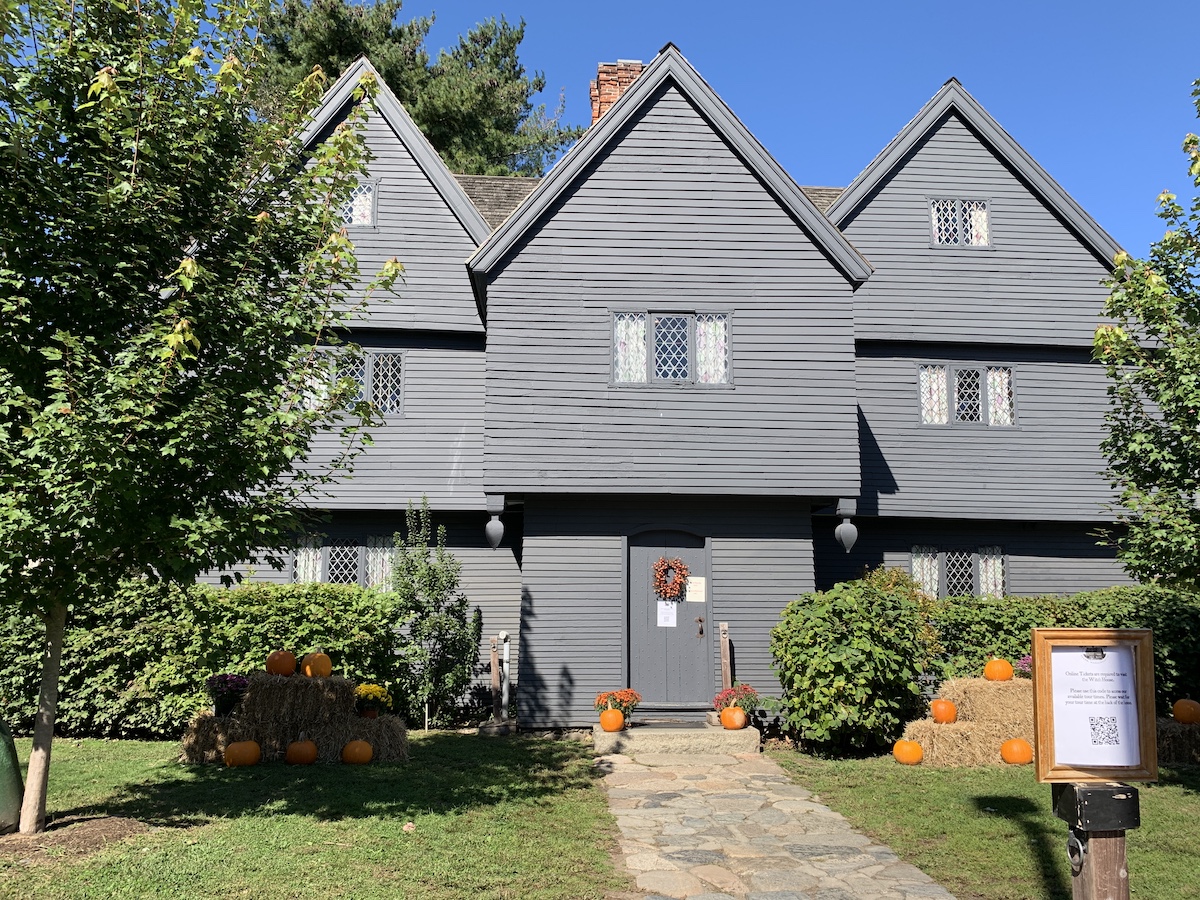
It was the residence of Judge Jonathon Corwin, who presided over the trials in in 1692. We also waked by the oldest library in America and the oldest home continuously owned by the same family.
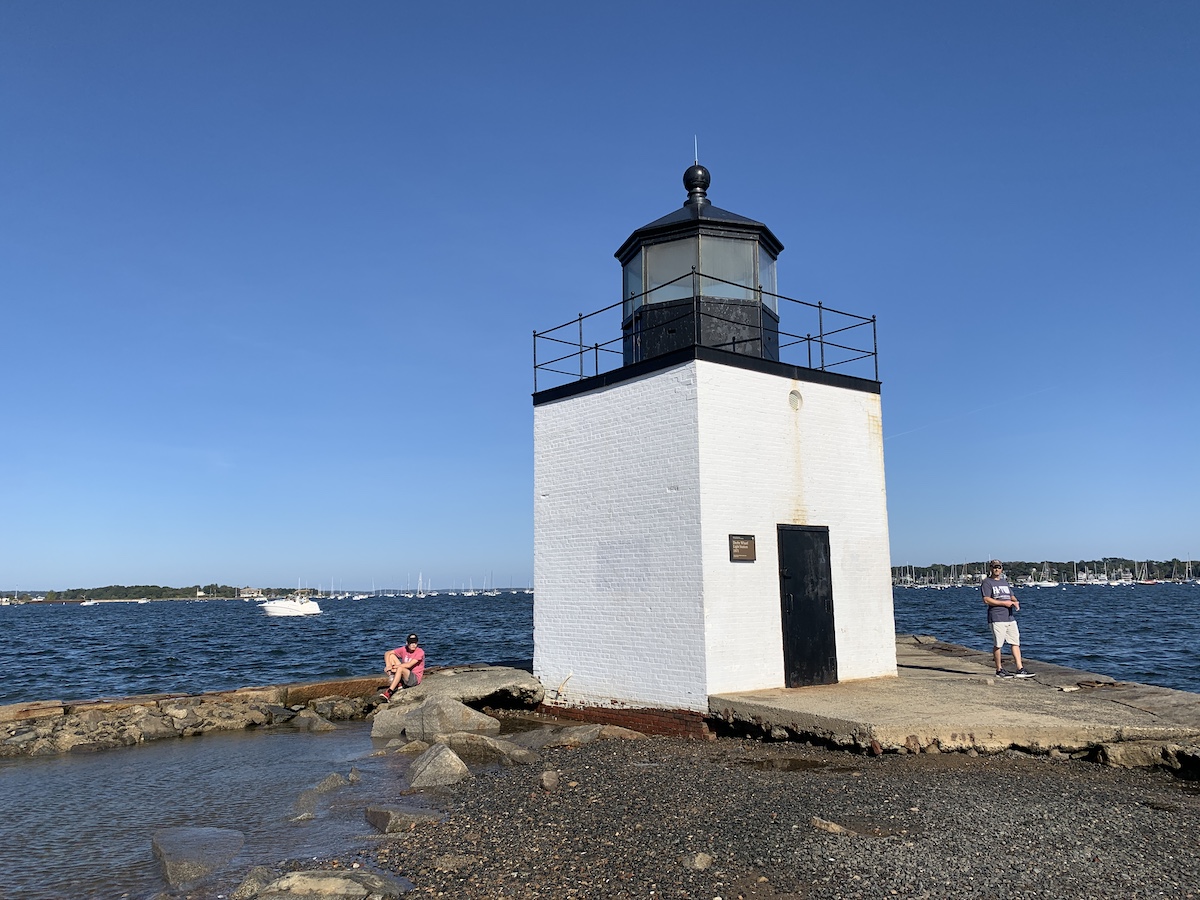
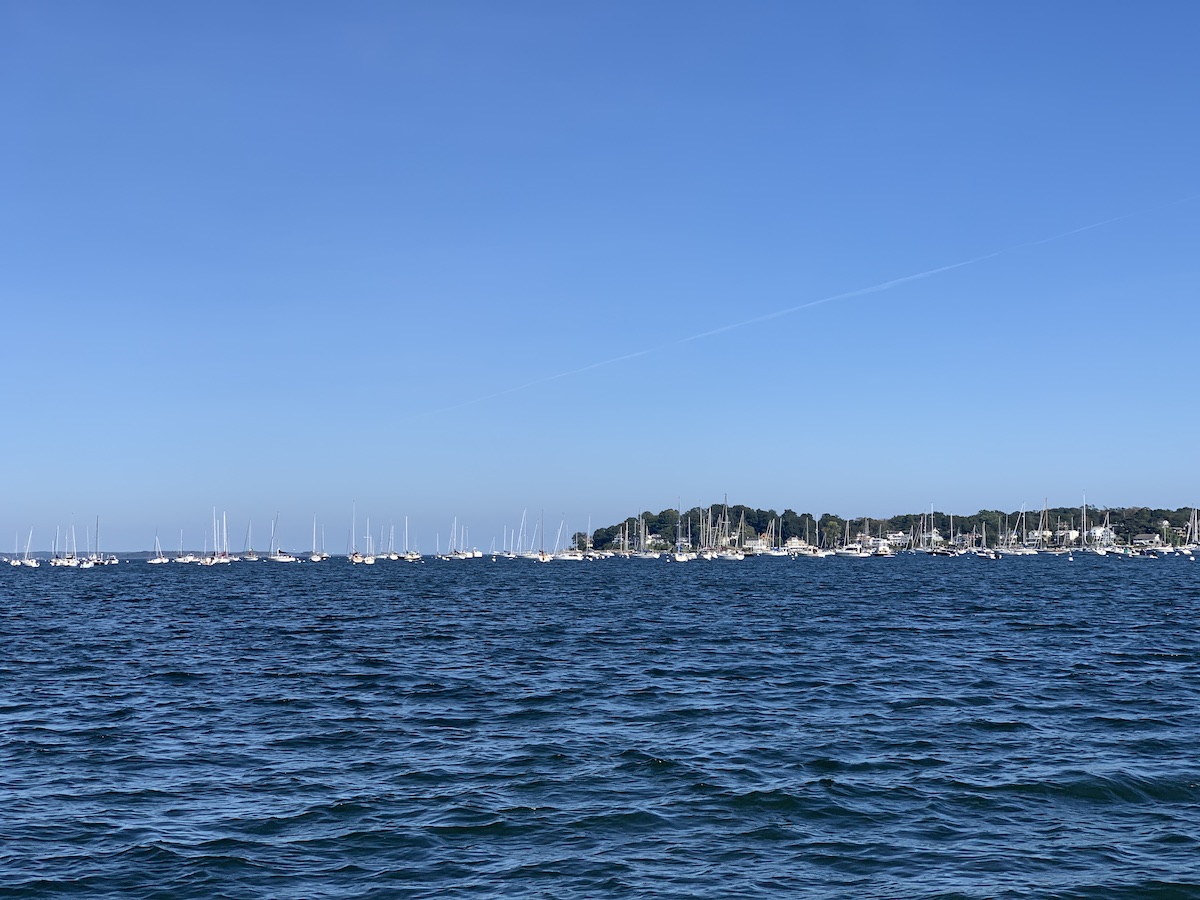
We walked to the Derby Light Station. First lit in 1871, it’s the only remaining structure left of the Salem Derby Wharf.

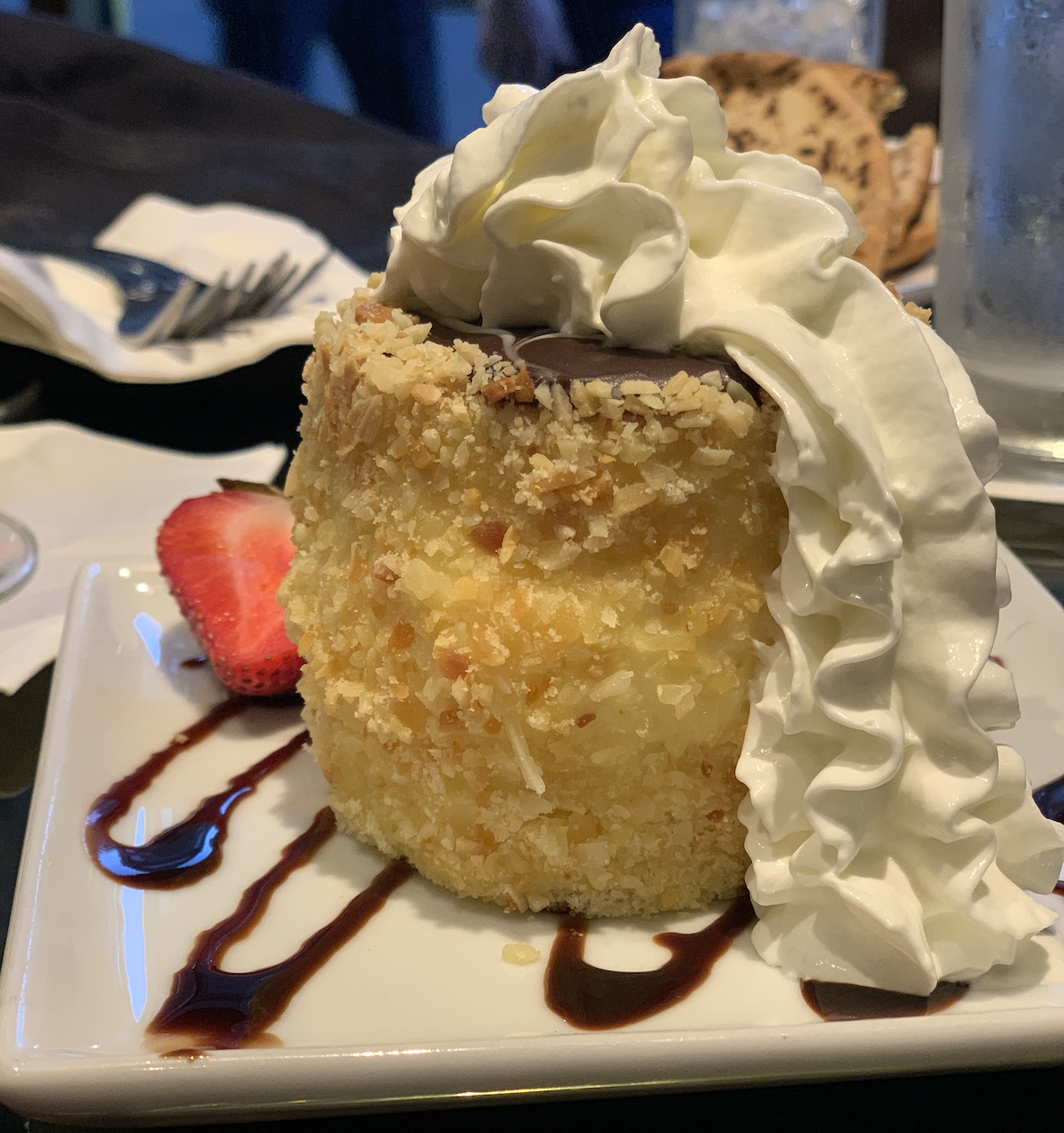
Back in Boston, we stopped by the Omni Parker House hotel for dinner and a slice of Boston cream pie, where the famous desert was invented.
Day 4
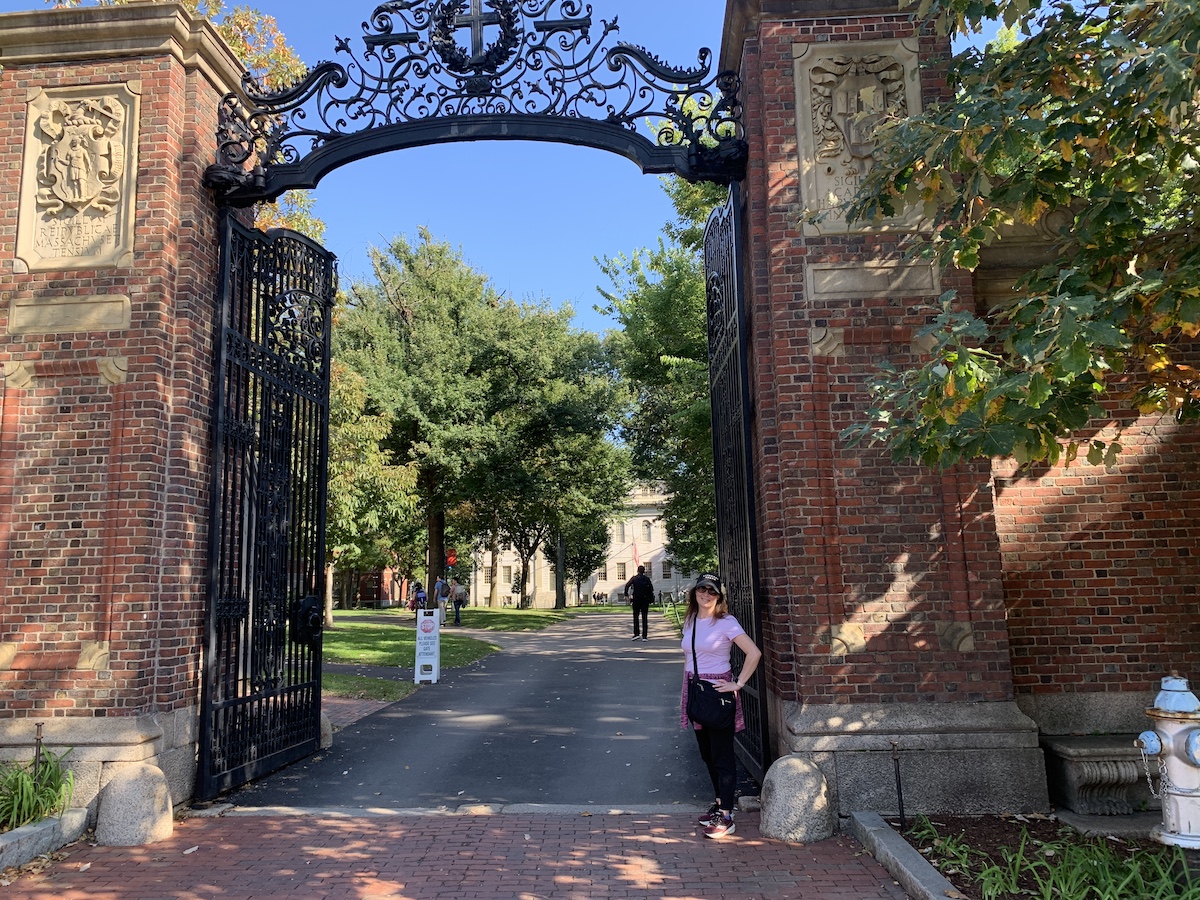
We took the subway to Harvard and enjoyed a tour of the campus.
Pro tip: Take the tour led by Harvard students. You’ll get interesting firsthand knowledge of life at Harvard, along with some pretty lame jokes.
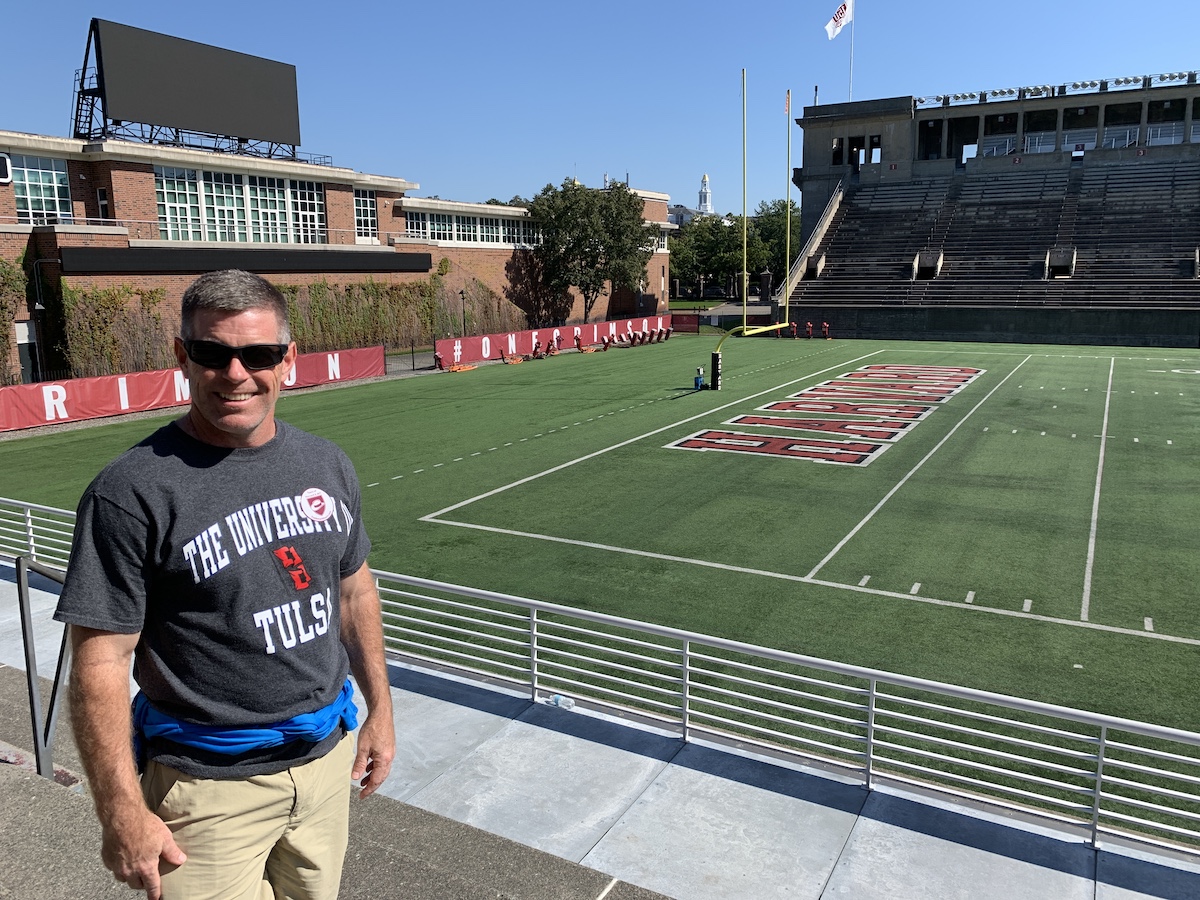
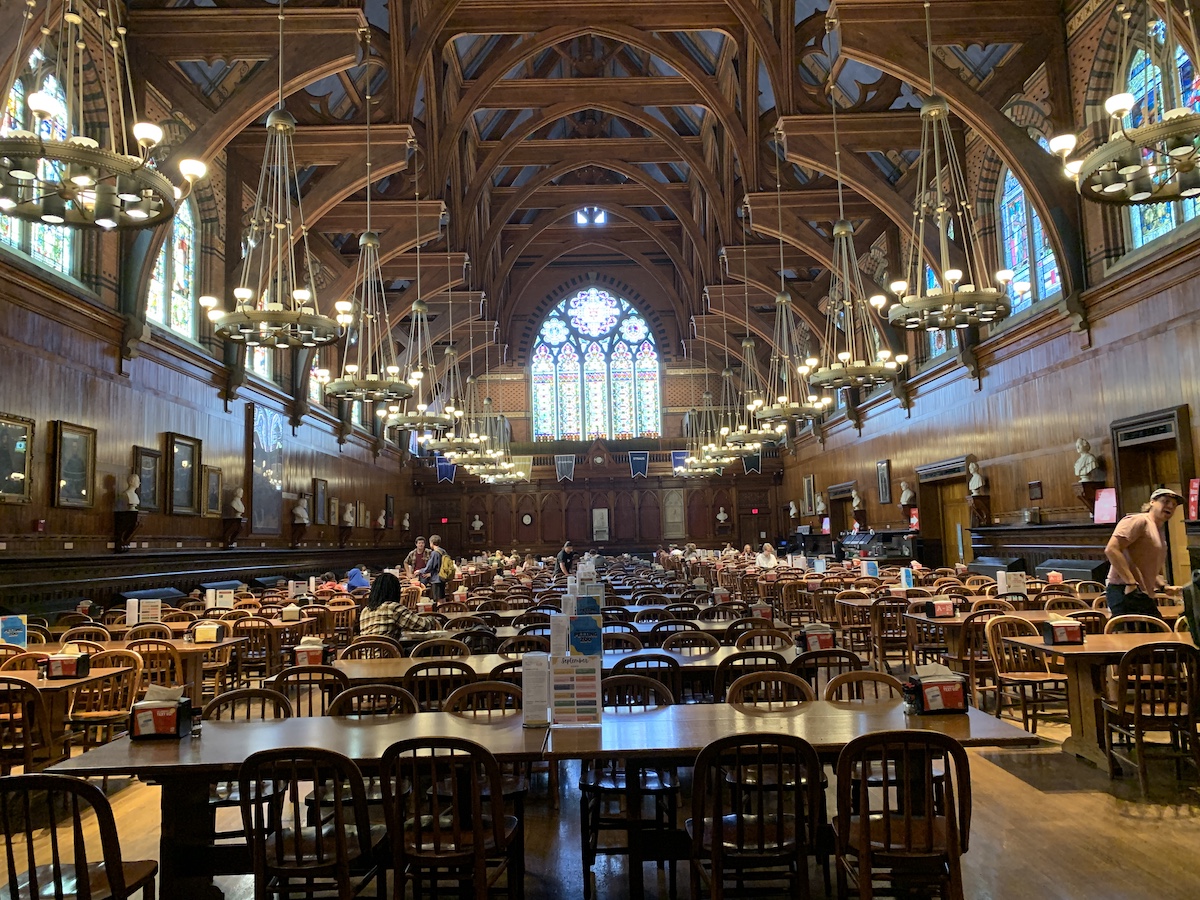
We ate at Pinnochio’s pizza, a popular Harvard student eatery. The dining hall rivals the Harry Potter Great Hall, and we walked over to the football stadium and soccer fields, passing the rowing houses along the way.
Our last stop of the day – the Boston Tea Party museum. A great audience participation reenactment of the events leading up to and during the protest in 1776.
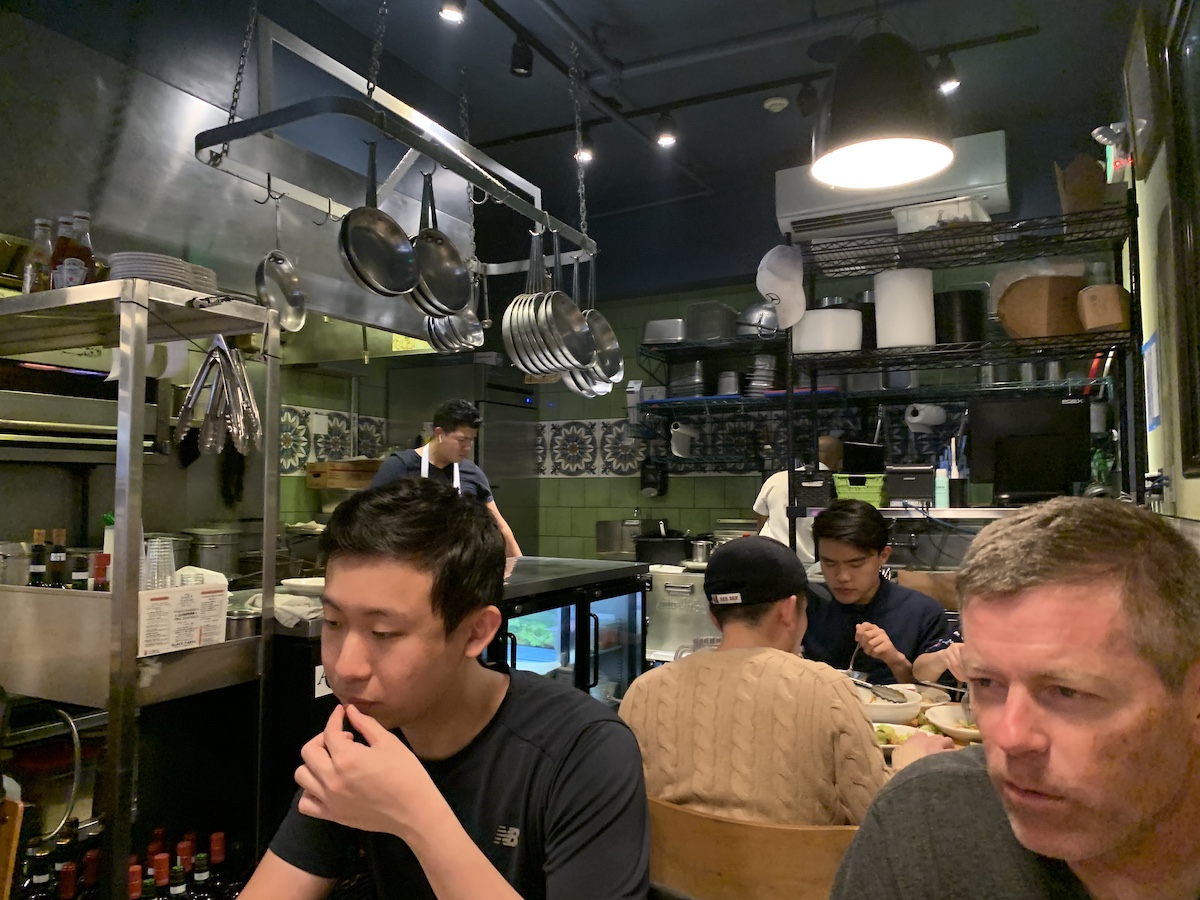
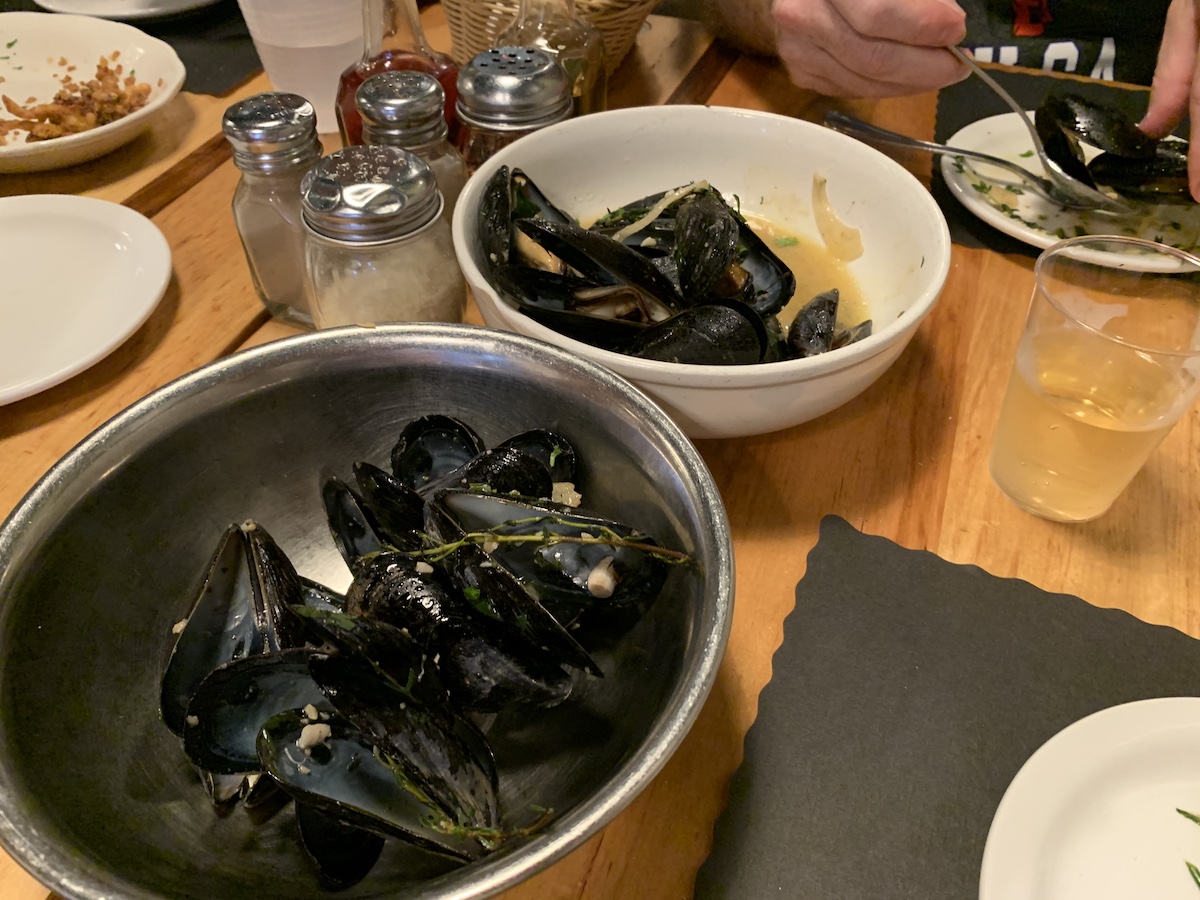
We ate our last meal in Boston at The Daily Catch, a tiny seafood place in the North End. There’s room for maybe 20 people to eat inside and the kitchen is RIGHT THERE. Because of the limited space, you share a table with other guests. We sat with a father-son pair from around the area.

 One Kansas Girl